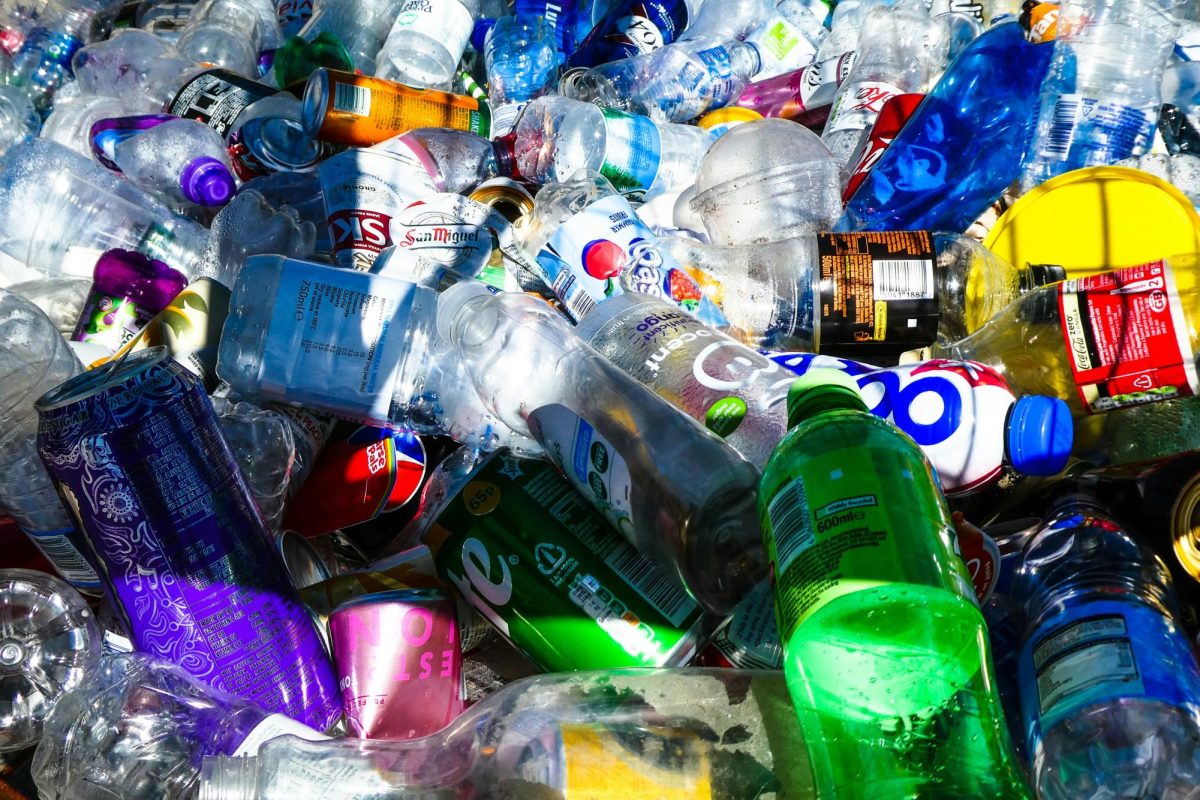
Students at Woodford County High School may be familiar with the bright blue bins in a select few teacher’s classrooms—the ones many seem to overlook entirely when it comes to their purpose. Most everyone is guilty of throwing their dirty tissues and food trash into the recycling bins on the grounds of convenience, or even simply because they don’t know the difference between recyclable materials and garbage; however, a look behind the scenes might make you more conscious of your less-than-stellar consumption habits.
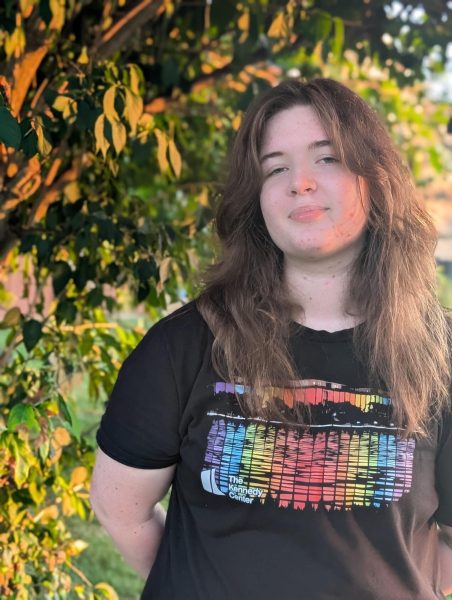
Senior Emory Snellgrove, president of the school’s environmental club and the pioneer for reinstating the recycling program, explains her goals when it comes to educating her peers about recycling: “By reinstating recycling in the school, I hope to save a lot of waste from ending up in landfills that could be reused or made into something new! I also hope that we can educate students about the importance of recycling through its sorting.”
Snellgrove proceeds to touch on some issues she’s faced with the initiative. “When Dr. Smith told teachers about the recycling program we would be doing, several teachers asked for bins to participate. However, some teachers said that they would love to be a part of this, but they knew their students wouldn’t respect the bins and wouldn’t recycle the right things,” she explains. “It’s become a very prevalent obstacle where students are either recycling trash or throwing away recycling. This is very frustrating for everyone that sorts the recycling because we have to go through food and gum and disgusting stuff that has to be thrown away. Combating this problem has been difficult because when I try to tell people about this, they typically become annoyed and stop listening.”
In my own experience with sorting recycling for the environmental club, I’ve found that I agree with her concerns: when sorting through recycling, I’ve found everything from hair to soggy food, which, as you can imagine, isn’t the greatest to touch or look at. We’ve had this issue since the recycling program began, despite our efforts to educate students on what exactly can be recycled. We’ve taped posters detailing what can and cannot be recycled onto the bins, but unfortunately, they seem to be ignored. So, what exactly can be done to combat this issue?
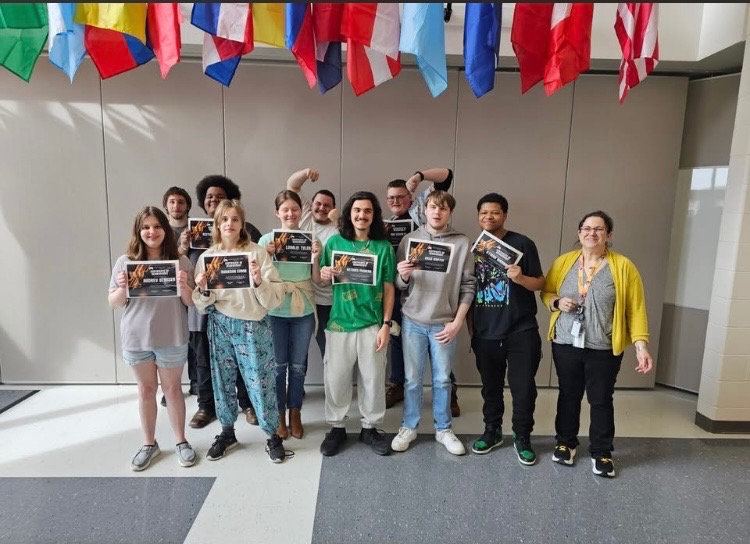
The WE project is an assignment for AP Environmental Science students which gives them the chance to educate their peers on the importance of environmentally friendly practices, recycling being a big topic in particular. The class is divided into groups, each making their own slideshow to present to different freshman classes. The hope is that, by directly talking to the underclassman of the school, we can persuade them to be conscious about what they throw into trash versus the recycling bins.
When talking about the assignment, Snellgrove seems to have goals beyond educating students about recycling. “One thing that is often overlooked is the importance of reducing our waste. It’s easy to go to the store and get an alani that you end up recycling, which makes you feel better about your choice. While this is better than throwing away the can, it would just be better to make coffee at home in a reusable cup with little to no waste. This is one thing I want to bring to light to students: how much waste humans go through.”
Snellgrove also offers some advice to teachers and students wishing to reduce their impact. “Students and teachers can go to their local recycling center’s website and see what they can and cannot take as recycling. But in school, they can ask Environmental Club students or refer to the papers typically on the recycling bins (they say what we do accept). At the end of the day, recycling still is not the most environmentally conscious or sustainable option–reducing your waste is! So, buying less single-use plastic, mending clothes instead of throwing them away or donating them (because they typically end up in the landfill when donated), etc, is the best solution. Educate yourselves with factual resources on the small things you can do to be more sustainable and environmentally conscious!”
We only have one planet, so let’s take care of it!