Kentucky is often overlooked environmentally. It’s not warm enough to be tropical, nor cold enough to be arctic. It doesn’t have enough water to be a rainforest, but it has too much to be a desert. It’s the perfect middle ground, distinctly expressing each season, but that lack of extremes means that Kentucky often flies under the radar when discussions of nature come up.
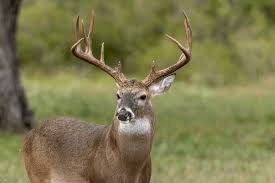
Despite its underappreciation, the state’s diverse climate is a host to some of the most fascinating ecological biodiversity in the United States. Rich prairies, rushing rivers, and dense temperate forests give home to a variety of life. Most people know the common animals you’ll find in the state: deer, raccoons, squirrels, opossums, coyotes… almost everyone has seen them at least once. But when you look a little deeper, there is much more. Black bears can be found sauntering through the forests; elk are thriving after their artificial reintroduction to Eastern Kentucky; bobcats, bats, and beavers all prowl their territories. Even sightings of wolves and panthers have been documented, albeit rarely.
When it comes to the diversity of birds, Kentucky is no slacker, either: it’s home to over 400 individual species of birds, including the state bird, the northern cardinal, and America’s mascot, the famous bald eagle. Turkeys, hawks, falcons, herons, and all sorts of passerines can be seen here, too, alongside a shocking eight species of owls (a few being the great horned owl, barn owls, screech owls, and in uncommon instances, snowy owls).
If you take a moment the next time you go for a walk, maybe listen for an unfamiliar bird song. Flip over a rock in a creek bed to find all sorts of reptilians. Take in the wonder and recognize the incredible range of organisms that inhabit Kentucky.