As we head into 2026, now is the time for change. The “new year, new me” phrase is heard everywhere, and people are setting goals to improve their personal lives, most notably by exercising more. But we all know how this usually ends: gym memberships collect dust, motivation wanes, and busy schedules sideline these goals.
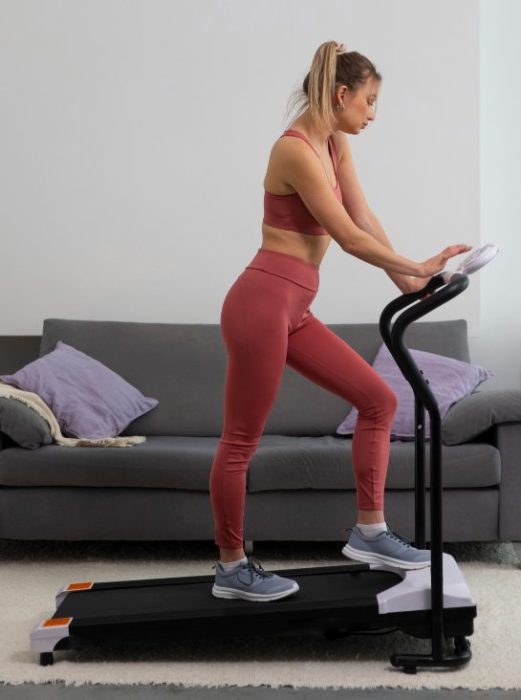
However, this year is different. Instead of relying solely on crowded gyms and strict workout routines, many people are turning to a new trend: walking pads. Simple yet effective, walking pads have become a staple in homes worldwide. So, what is a walking pad? Walking pads are compact and portable treadmills designed for light exercise. With a minimum speed of three to four miles per hour, it allows you to walk at a slow pace while working at a standing desk or even watching TV. This is a significant option for individuals trying to increase their daily step count.
But how do these trendy walking pads compare to the traditional treadmills? One major difference between these two products is their size. Treadmills are bulky and heavy, and they require dedicated space in a home. But with increased size also comes increased stability. With this structure, treadmills deliver higher workout intensity and a wider range of speed and incline settings. With speeds up to ten to twelve miles per hour, workouts can include walking, jogging, and running, with inclines that simulate uphill terrain to challenge different muscles and burn more calories. On the other hand, walking pads are significantly smaller, making them easy to store. Still, with this size difference, the workout intensity decreases, limiting people to only walking or light jogging. Incline options are also limited, with only slight inclines available on some walking pads. However, a slower-paced option opens the opportunity to increase productivity, such as working, watching TV, or even just multitasking, all while walking and adding steps into your day, something that is not accomplishable when completing high-intensity workouts on traditional treadmills.
With all of these differences between the two, how do they compare to actual experience?
As someone who has adopted the trending walking pad, I would love to share my experiences with it. I got my walking pad about a month ago to increase my overall walking activity going into the new year, aiming for about 15,000 steps a day. Since then, I have found the walking pad simple to use. With an easy-to-read, simple-to-operate remote, you can start/stop and gradually increase speed without hassle. Continually, with low effort put into having to focus on controlling the device, I am able to shift my focus to whatever activity I am doing, whether that be working on schoolwork or even binge-watching a TV show. Overall, I have seen great results since starting my walking pad journey, and I recommend it to those looking for an easy way to incorporate walking into their everyday routine.
So, will you start the new year stepping onto this trend?