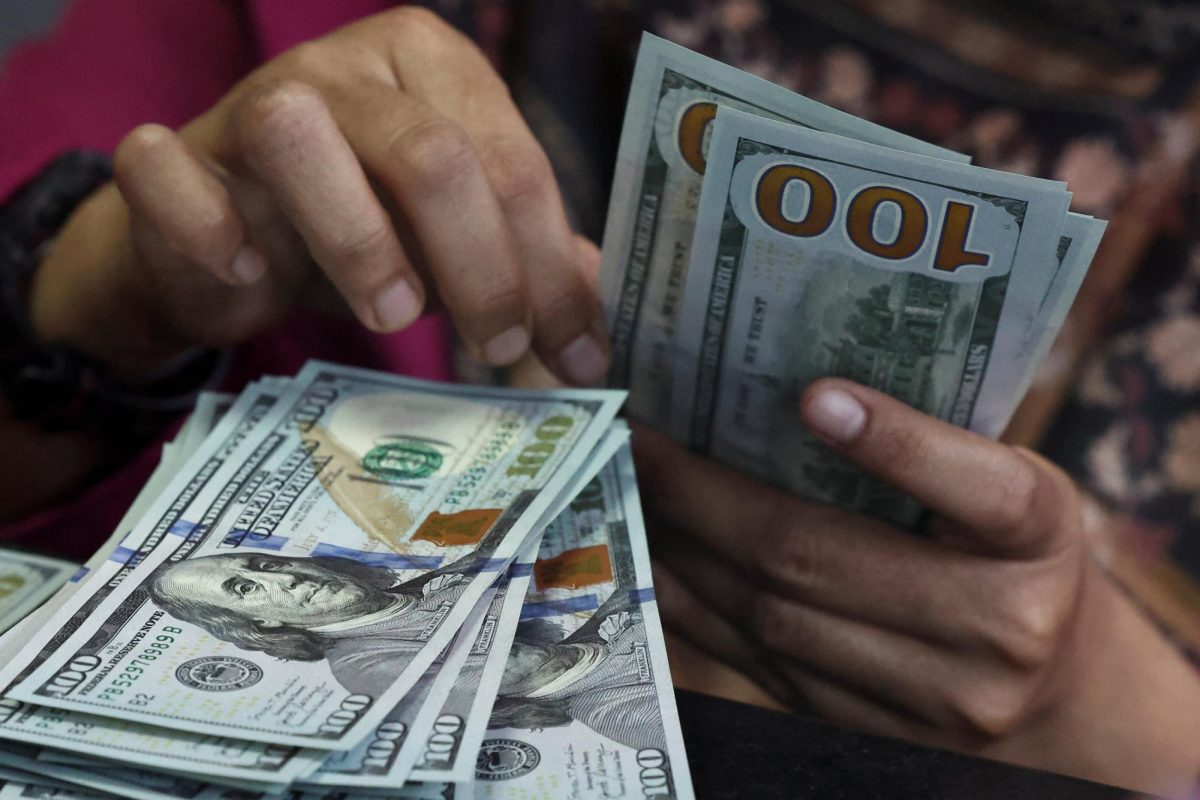
One of the major problems of today’s college sports landscape is Name Image and Likeness (NIL) deals, which allow for college athletes to get paid and accept partnerships or endorsements from major companies. This means that college sports are closer to professional leagues than ever as there are almost no limitations on how much colleges can spend or how much a player can make; this leads the best players to end up at the major schools with boosters who can afford to give money. In 2008, a collection of authors wrote about whether or not college athletes should get paid in a book entitled, Should College Athletes Get Paid? The book showcases the problems that could occur with paying athletes and rules that could be formed to prevent major problems. At the time of this book, it was a hypothetical question, yet now, we can measure it against today’s reality.
The book Should College Athletes Get Paid? aligns the issues that could come with paying college athletes. The first issue presented by multiple articles is the fear that the athletic department with the most money will buy all the best players, leaving a large talent disparity between them and smaller schools who cannot afford them. Rodney D. Fort’s rebuttal from “Paying College Athletes Makes Economic Sense” explains that in the time before NIL, players were already choosing the larger schools because the colleges had better traditions, facilities, and the players felt “most highly valued”. Players would also already choose the top programs because of the bigger fanbases and the better opportunities that that program could provide.
Looking forward to the present, this is somewhat true. Before NIL, Texas and USC were able to secure a top 5 ranking for most of the 2010’s due to a prestigious history, top of the line facilities and fanbases that spread across the country. Now, it is reported that these two teams spend more money on NIL than any team in the country at around $40 million dollars. Texas had the top recruiting class in 2025 and USC is near the top for 2026, showing that programs that were prestigious and were getting highly ranked recruits before NIL are able to spend millions of dollars to ensure that players continue to choose their schools.
Another issue mentioned was that college athletes would not value the education that they are receiving if their priority is to be paid to play college football. In the article, “College Athletes Should Not Be Paid Because a College Education Is Valuable” written by James L. Shulman and William G. Bowen, these authors argue that athletes who only focus on sports do not take full advantage of academic opportunities that they are receiving. These athletes are also disrupting those around them who are trying to achieve a degree by not doing the work or not showing up for class. The authors say that when athletes don’t value education, they are not setting themselves up for success after college. Only a small percentage of college athletes make it to a professional level and only the elite few are able to maintain their job long enough to make it a career, meaning that a usable degree is very important to a college athlete.
This issue is very real in today’s landscape of NIL. In college basketball, players are able to transfer every year to a new school using the transfer portal to schools that are able to offer them more money and benefits. However, this is detrimental to their college education. When players transfer, most of the time they do not care about their college credits or how they coordinate to other schools, most players only care about the money and playing time they can receive at the new schools. However, when their eligibility runs out, they are left with 5 years at different colleges with no degree to show for it. Meaning they have two options: pay to finish school or try to find a job as a 23 year old with no degree and no previous job experience.
While the main issues that have presented themselves were still existing prior to NIL, they have been amplified. More rules and regulations need to be added in the future that makes focus on education a priority. There needs to be a way to close the gap between the prestigious schools and the smaller schools. Right now, with almost no regulations, there is nothing stopping schools from giving away millions of dollars to players. This might help them win football games in the near future, but for the athlete, after they run out of eligibility, they have no degree and will have a very difficult time getting a high-paying career because they have no job experience. In conclusion, NIL has caused many problems in today’s college landscape and was something that was supposed to help college athletes but has actually hurt them.