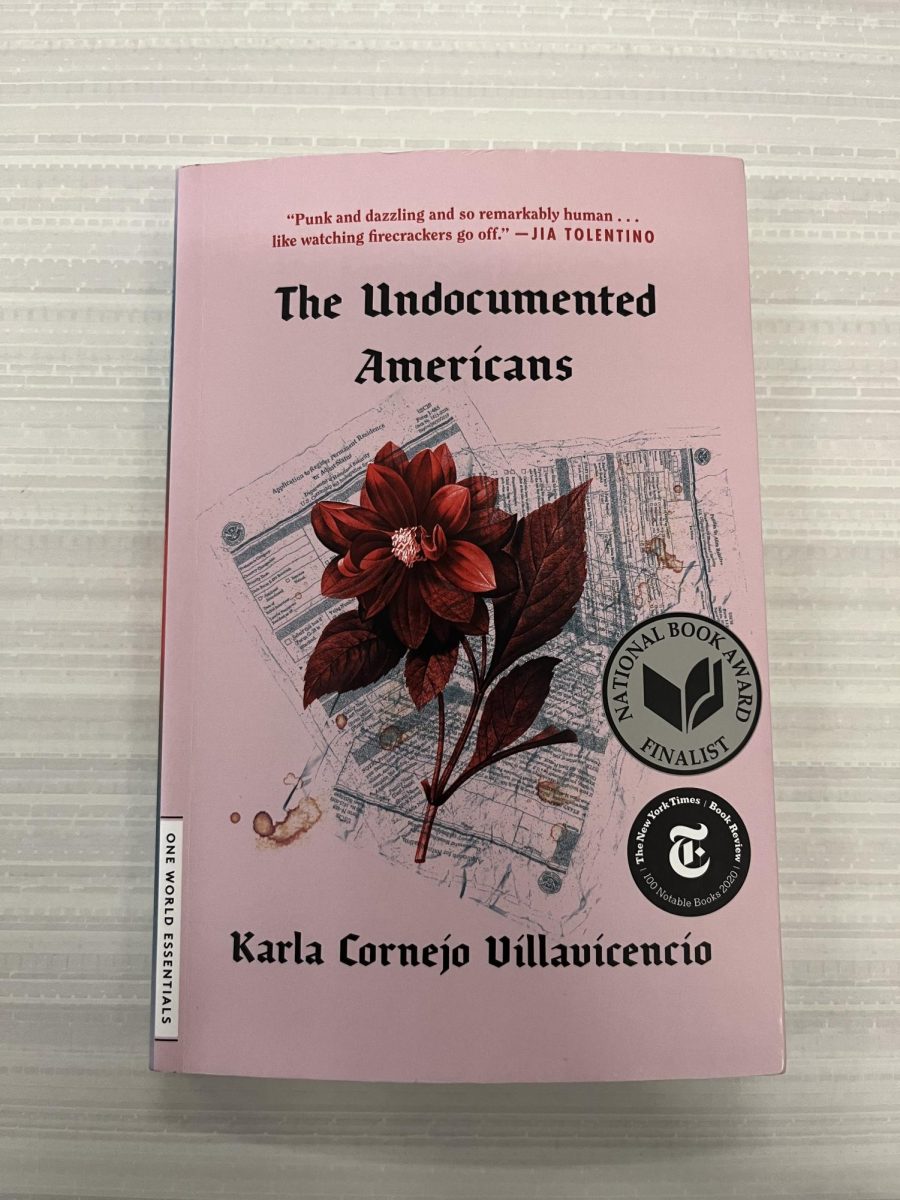
In the book The Undocumented Americans by Journalist Karla Cornejo Villavicencio, she travels across the country, risking arrest at every corner, writing about the hidden lives of her fellow undocumented Americans.
Born in Ecuador and brought to the United States at only five years old, Cornejo Villavicencio knows what it’s like to live as an undocumented immigrant. She became one of the first undocumented students admitted to Harvard University, and has written about topics including immigration, music, beauty, and mental illness for The New York Times, The Atlantic, The New Republic, Glamour, Elle, Vogue, n+1, and The New Inquiry among others. She is currently a doctoral candidate at Yale.
The individuals described in the book are from across our nation and are often reduced in the media to political pawns or nameless laborers. The stories Cornejo Villavicencio shares are not meant to be inspiring whatsoever but are meant to represent heartbreak, insanity, and vulgarity that fill the lives of her subjects. She weaves her own story among those of the eleven million undocumented who have found themselves pushed into national news and conversation now more than ever.
Cornejo Villavicencio’s goal for this story was to explore the lives of the undocumented that are rarely seen in news headlines—she wanted to look beyond borders and activism and talk about the true, authentic lives of these individuals and families who are constantly living in a state of fear.
Each chapter of the book is focused on a specific location including Staten Island, Ground Zero, Miami, Flint, Cleveland, and New Haven. She interviewed and wrote about the individuals and their stories so she could give them a voice and let them share their experiences with the world.
Staten Island
In chapter one, Cornejo Villavicencio talks to immigrants on Staten Island in New York City to understand what being a day laborer is like. Getting a job as an undocumented individual is not easy and even if they are asked to perform a certain job, they aren’t guaranteed to get paid for it. Cornejo Villavicencio wants us to understand just how unfair the system is to undocumented immigrants and the effects it has on their families as well as their mental well-being.
Ground Zero
In chapter two, Cornejo Villavicencio recounts how undocumented immigrants were the majority of the cleanup crew after the terrorist attacks on the World Trade Center in New York City on the morning of September 11, 2001. She interviews immigrants who spent weeks cleaning up debris from the fallen buildings and saw just how badly the toxic chemicals affected their physical health. Many suffered from various types of cancer and severe Asthma. On top of that, many suffered with the mental effects as well—often developing psychological anxiety and depression. Even though some (not all) immigrants receive compensation from the Victim Compensation Fund, it’s not consistent and is unfair to those in poor health.
Miami
At the beginning of chapter three, Cornejo Villavicencio is vulnerable about her feelings regarding her abandonment in Ecuador. She then travels to Miami, Florida to talk to immigrants and understand how the underground healthcare system works. Many immigrants are uninsured and immigrants are unable to purchase health insurance in the United States so they will resort to alternative medicines from botanicas or herbal and spiritual stores.
Flint
In chapter four, Cornejo Villavicencio travels to Flint, Michigan to see what immigrants have to say regarding their contaminated water. They talk about how the water wasn’t normal as it had an abnormal color and taste. Officials reassured them and said the water was drinkable but Cornejo Villavicencio met with immigrants who had cancer or fell seriously ill from the water.
Cleveland
Chapter five talks about Cornejo Villavicencio traveling to Ohio where she meets a family who is suffering from severe emotional stress because the father was deported. She documents the intense impacts of anxiety, fear, and sadness experienced by children after witnessing the deportation of their father. She wanted to explain the impact left on families after a family member is incarcerated or deported.
New Haven
Chapter six highlights that for many families and individuals, the American Dream resulted in many unfulfilled lives. There are so many immigrants living in a state of constant fear dreading what might happen to them or their loved ones. Cornejo Villavicencio describes her own family’s strained dynamics and how she tries to reconnect with her father after he recedes into himself after many years of grueling work and emotional trauma.
Reflection
Overall, this deeply authentic story allowed me to dive deeper into the real lives of American immigrants and it helped me to see just how horribly they were treated not just by American citizens but by the American government. This book demonstrated just how much living in heavy, relentless fear affected these families and proved just how dangerous it is to be undocumented when you are seen as a hologram. They were never able to feel secure because their lives could be ripped away from them at any moment. I believe everyone should read this book at least once so they can truly see these real-life experiences told by undocumented individuals themselves.