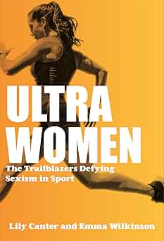
The book “Ultra Women: The Trailblazers Defying Sexism in Sport”, written by Lily Canter and Emma Wilkinson is a non-fiction piece that explores women’s achievements in endurance sports, while also combining history and personal stories to challenge sexism in athletics. Revealing how women have not only competed but often excelled in some of the world’s most punishing competitive events. From overlooked athletes to modern ultrarunners breaking records, this book covers them all.
The book’s structure is its strongest aspect, by providing a compelling and relative storytelling. Rather than focusing on a single athlete, Canter and Wilkinson present a series of women who have excelled in athletics events such as long-distance swimming, cycling, and before ultramarathons. All of these are events that push these female athletes to their absolute limit. While having to fight in being physically and mentally ready they also had to fight the idea that women couldn’t compete. In most cases this book could have taken a different approach and used dry statistics. But instead, Canter and Wilkinson center each chapter around inspiring real life figures. Stamata Revithi was one of those inspiring women. She is known for being history’s first woman to truly defund gender restrictions and run in a marathon. But this was not just any ordinary marathon. In 1896 she ran the 40-kilometer Olympic marathon course, doing so during the summer Olympics in Athens, despite being explicitly forbidden from competing. While she did not officially place in the olympics she went against the social norms, showing other women its possible.
Canter and Wilkinson’s writing style when it came to this book was engaging and accessible. While giving lots and complex information to the audience, it still made it easy to comprehend without losing depth. Each chapter mainly centered on a different athlete or theme, which maintained the book’s dynamic and allowed the audience to connect with each individual story. The book also did a superb job keeping a balance of a celebratory and informative tone, striking stability between admiration for these athletes and critical analysis of the challenges they faced.
However, some may find that the book leans heavily toward celebration rather than critique. While it does address systemic issues, it occasionally prioritizes inspiration over deeper structural imbalance. Since the book covers many athletes and topics, some may think the stories feel briefly explored rather than fully developed. On the contrary, this breadth is also one of the book’s strengths, as it introduces the audience to a wide range of perspectives and experiences of the history of these women athletes.
“Ultra Women” is an important contribution to sports literature. It changed many minds, making them rethink assumptions about gender and athletic ability while celebrating the resilience and achievements of women who have pushed boundaries, and proved many wrong. This book is not just for sport fans, but for those who want to learn about the history of gender equality and the stories it provided of women’s perseverance.