In an era of NIL (Name, Image, and Likeness) and the transfer portal, college basketball is more complex than ever. A player’s eligibility is now also in question, as players are now able to play until they are 28 years old due to redshirts and years being granted by the NCAA. Because of these new rules, or lack thereof, more players are trying to play college basketball.
In the pre-NIL era, the rules for college players were more straightforward. If a player wanted to transfer, they would have to sit out one full season at their new school before they were eligible to play. If a player wanted to get drafted, they would be ineligible to play if they signed with an agent, signed a contract, or played in any professional league, including overseas.
This included the NBA G League, a developmental league for the NBA. Similar to the MLB’s AAA league, NBA teams can send underperforming players or sign underrated prospects to their respective G-League team to improve their skills and eventually sign them to the actual team. A player can sign with the G-League out of high school, although they would be unable to join the NBA without being a year removed from high school, so most recruits would go the college route.
However, for most foreign-born players, the G-League was a great way to get recognized by NBA teams. Most foreign players also get sent to the G-League because of their high potential, yet their lack of development. This included James Nnaji, a Nigerian professional who was selected 31st overall in the 2023 NBA draft.
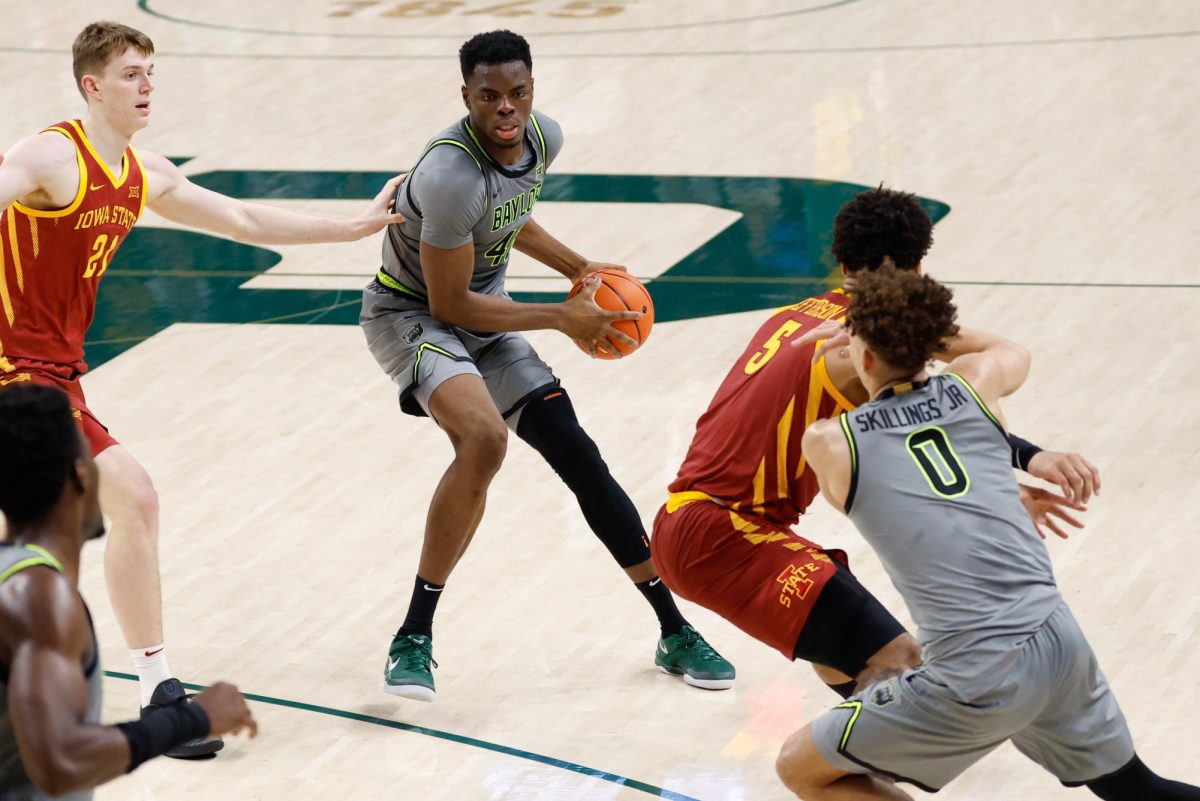
Nnaji had never signed an NBA contract because he was immediately sent to the G-League, which allowed for college teams, like Baylor, to argue that he still had eligibility left because he had never signed an NBA contract, never enrolled in college, and was still in the 5-year window of what would have been his high school graduation. Nnaji would enroll at Baylor in December and await the NCAA’s decision to see if they would let him play.
In Kentucky, if you think back to when the Wildcats signed foreign players, the process to get them cleared took forever. Thinking back to Zvonimir Ivisic (Big Z) from the 2023-2024 season, he was a headlining commitment for John Calipari, not because of his skill, but because he had played professionally. The only issue with this was that the NCAA had not cleared him, so Big Z would ride the bench for the first half of the season. Finally, in January, almost half a year after he had enrolled in Kentucky’s program, Big Z had been cleared to play. Yet, for Nnaji, he was cleared almost immediately, being cleared on Christmas Eve, and was instantly eligible to play for the Baylor Bears.
This brought shock among the college basketball community, including two esteemed head coaches. One was UConn’s Dan Hurley, who took to X and wrote, “Santa Claus is delivering mid-season acquisitions…this s*** is crazy!!” Former Kentucky head coach John Calipari was asked about the situation, and in a long and heated response, he would end up urging the NCAA to come up with rule changes for transferring and eligibility that most seemed to agree with.
After Nnaji committed, a few more names of foreign players in the G-League surfaced, but they would be shut down by the NCAA, which stated that it would not grant eligibility to anyone who had signed an NBA contract. This came after Nnaji had enrolled and was set to debut for the Bears.
The NCAA’s rulings have become increasingly lenient in recent years, resulting in more players being permitted to participate. While some may agree with this, it goes against the principle of what college sports are supposed to be: an extracurricular activity for students. When professional foreign players are permitted to play in college, the sport becomes a professional league, which it is already inching towards. Foreign players in their late 20’s are enrolling in schools with no motivation to earn a degree, only to play sports and improve their draft stock, which takes spots away from students who want to earn a degree and play sports like traditional college players. Overall, there are many negatives that come with professional players in college, and it is becoming the downfall of collegiate sports.