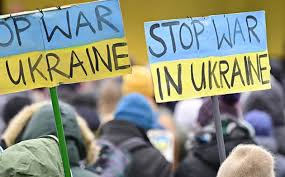
When world leaders meet to negotiate peace, it can feel like something far away and not connected to our lives here in Woodford County. But even though the war in Ukraine is thousands of miles away, its effects are starting to show up in our schools, homes, and communities. Ukraine has been at war with Russia for almost four years. Recently, Ukrainian President Volodymyr Zelenskyy said that Ukraine and its European allies have finished “refined documents” for a new peace plan to send to the United States. The original plan was criticized for being too favorable to Russia, including possible territorial concessions. Ukraine is working to protect its land and make sure it has security guarantees from Europe and the U.S. Even though it’s a global issue, students and families here feel it in small but real ways.
Prices for gas, groceries, and school supplies have all increased dramatically because of the war. Teachers who drive to school, parents paying bills, and students buying sports gear all notice it. Ty Henry, a senior varsity lacrosse player at WCHS, stated, “People think wars only matter to soldiers and politicians,” “But when prices jump, it hits us. Gear isn’t cheap. Groceries aren’t cheap. My mom is talking about our budget more than ever.”
For students, the war is also a lesson in history and government. In class, teachers can use the conflict to explain topics like alliances, diplomacy, and sovereignty. But it’s also real life. Some families here have relatives in the military or living in Europe, and the outcome of the peace talks could affect them. Students also see the war online, through short clips or news posts, which can make the situation feel stressful and overwhelming. Counselors in schools already help students manage stress from schoolwork and college planning, and global issues like this add extra pressure. Even extracurricular activities feel the ripple effects. Clubs that travel for competitions, like band or sports teams, may have to adjust budgets for transportation and food. The community also notices small changes: families cutting back on extras, like movie nights or eating out, to adjust for higher costs.
The economic impact of the war in Ukraine is one way that global events reach Woodford County. Rising gas prices, increased heating costs, and higher food prices are all connected to international supply chain disruptions caused by the conflict. Families and students notice these changes in their daily routines, such as parents budgeting more carefully for groceries or students having to limit extra expenses like school supplies or sports equipment. Even small increases in costs can affect participation in after-school activities and community events.
If the peace plan succeeds, energy prices could stabilize, inflation might slow down, and the government may be able to focus more on local needs like education and student programs. But if the talks fail, the war would continue, prices could rise, and families here would feel it directly. Henry summed it up well: “We’re small, but we’re not separate. What happens over there eventually reaches here, even if it’s slow, like a wave.”
Even though the diplomats are far away, the results of their decisions flow into our daily lives. From grocery bills to school budgets, students, teachers, and families in Woodford County experience the effects. The lesson is clear: even global issues can hit close to home, and paying attention matters. The war in Ukraine is happening thousands of miles away, but its impact is felt in every corner of our community. Whether it’s a student adjusting their allowance, a teacher planning lessons, or families budgeting for groceries and gas, the consequences of world events can reach right into Woodford County. Understanding these connections helps students see the importance of global citizenship and reminds everyone that no place is truly isolated from the world.