The trend continues: The United States government entered another government shutdown in early February 2026. This marks the second funding lapse for the fiscal year after the previous shutdown that occurred in late 2025.
Last fall, the largest government shutdown in the history of the United States took place. The shutdown lasted a total of 43 days from October 1, 2025 and reopened November 12, 2025. The shutdown took place because Congress failed to pass a budget by the end of the fiscal year on September 30th. This impacted approximately 750,000 federal employees who were either put on unpaid leave or worked without pay. President Trump signed a funding package on November 12th to resume operations. This funded the government until January 30th, 2026.
The current shutdown is now the fifth under the Trump administration. It is the third under Trump’s current term after taking office in January 2025. The first shutdown in 2026 began around January 31 following the expiration of temporary funding and lasted until February 3rd, affecting about half of the departments of the federal government. The second shutdown of 2026 began on February 14th due to a lack of progress in reform negotiations. This shutdown only affects the Department of Homeland Security.
The current shutdown only affects the Department of Homeland Security because Congress successfully passed appropriations for all other 11 federal agencies earlier in 2026. Lawmakers intentionally separated DHS from the rest of the budget to allow time for negotiations for controversial immigration and border enforcement reforms. These reforms specifically target Immigration and Customs Enforcement (ICE) and Customs and Border Protection (CBP). Senate Democrats have withheld funding to demand tighter warrant requirements, prohibiting wearing masks, and camera mandates for federal agents. This followed fatal shootings that took place in Minnesota in January of 2026.
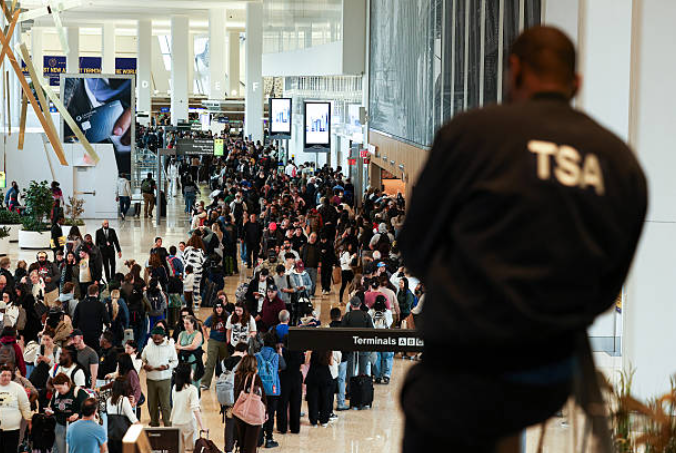
This second shutdown of 2026 is the largest partial shutdown in United States history. Impacts have largely been made in airports across the country because of staffing shortages. Approximately 50,000 TSA workers have been asked to work without pay, which has caused absenteeism and staff quitting. This reduction has led to long security lines in major airports, sometimes taking over four hours.
Other parts of the DHS that have been affected are the Federal Emergency Management Agency (FEMA) which has halted and delayed relief efforts to states recently impacted by severe weather, like Indiana and Illinois. The United States Coast Guard is currently required to work without pay. Also, more than 100,000 DHS employees are required to work without pay. Those who are considered “non-essential” workers have been furloughed.
There is currently no foreseeable end to this current shutdown. The current hope, according to the Federal News Network, is that Senators are racing to reach a deal to fund the majority of the DHS. Lawmakers also face pressure to form a deal before the Senate goes on recess for the Easter holiday (March 30th-April 10th).