While scrolling through social media, both teenagers and adults may find themselves seeing many posts centered around the collection of physical media. At first, it may seem like a simple hobby for people with too much time and money on their hands, and maybe it did start that way. However, it’s becoming increasingly apparent that the population is starting to turn their attention back towards physical versions of their entertainment.
What exactly is physical media, anyway? This term can be defined as a tangible item used for storing music, movies, books, and various other forms of entertainment. Many people, high school and up, may remember these things as being a staple of both childhood and adolescence–before streaming services like Netflix, Spotify, Apple Music, and HBO Max took over. Things like DVDs, VHS tapes, CDs, Vinyls, and iPods are remembered fondly by most; but many have deemed these items as unnecessary due to the modern age. So, why are we starting to see a desire for these forms of media in 2026?
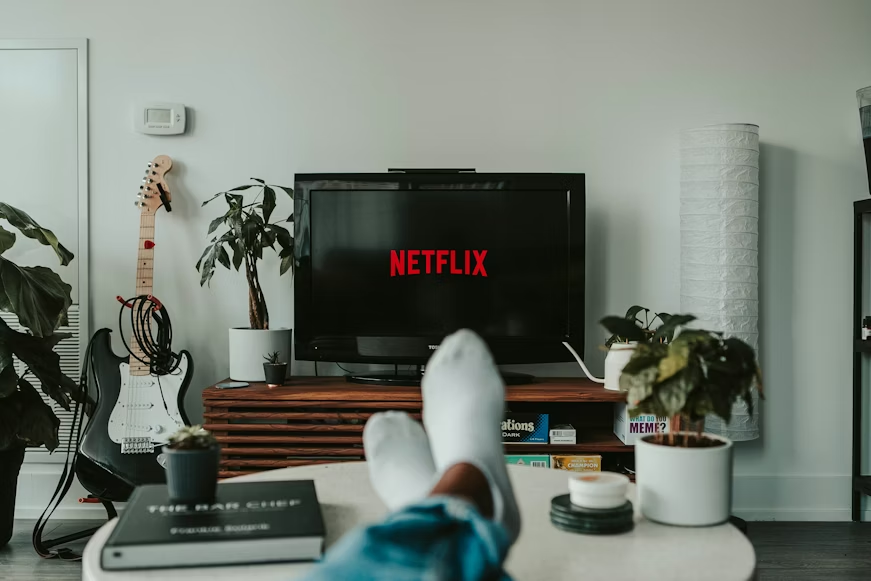
It’s no secret that streaming services are beginning to get expensive. Prices for these services have jumped nearly 20% from late 2025 to early 2026, and with many of these platforms blocking customers from sharing accounts–the population has only gotten angrier. Ads are being placed in the middle of your movies even after paying more money than necessary, and the shows you want to watch may not even be available on that particular platform. As of recent, there seems to be an air of greed surrounding the large companies that control the world’s entertainment, and many are not happy about it.
The world has come to realize that physical forms of their media are not only a much cheaper option in the long-run, but also allow them to own their favorite movies and television shows forever. With streaming services, the minute you cancel your subscription, you no longer have access to the content you had to pay hundreds of dollars for. With items such as DVDs, the consumer doesn’t have to worry about a subscription or eventually losing everything they’ve previously paid for.
Movie platforms aren’t the only thing people are upset with, either. Apps such as Spotify have also reached an all-time high in pricing, with users having to pay $12.99 a month just to pick the song they want to listen to. CDs, vinyls, and even ipods have become a much better option for those who are unable to pay for a premium subscription long-term.
There are plenty of other factors that are making consumers lean towards physical media as well. Gen Z in particular often takes into account where exactly their money is going, many prioritizing ethical and sustainable spending. Music streaming platforms are known for underpaying artists, making it not only extremely difficult for new artists to get off the ground, but also severely undermining the amount of time and money it takes to make music for fans to enjoy. From this perspective, it isn’t too difficult to see why people are beginning to buy their music straight from the source. Why stream it and contribute to the unfair wages when you can support your favorite artist directly?
There also seems to be a love for the sense of nostalgia and independence that comes with listening to your favorite album on vinyl or watching a movie on VHS. In a world where social media runs everyday life, people long to unplug from the constant consumption of advertisements, toxicity, and mindless content that comes with being online–especially with the amount of AI generated videos/photos that have been circulating recently. There’s a certain comfort and pleasure that people get from being able to watch a movie or listen to an artist without being bombarded by advertisements.
I believe it can be safely assumed that the anger towards streaming platforms has been a leading cause of the increased consumption of physical media. Maybe it’s good that we’re beginning to unplug, or maybe this is just a passing trend. Either way, it’s clear that physical media isn’t going anywhere any time soon.